2026: ACTATE Writing Encouragement Award
To Hold Her Memory
by Evelyn Pollard, St John Paul II College
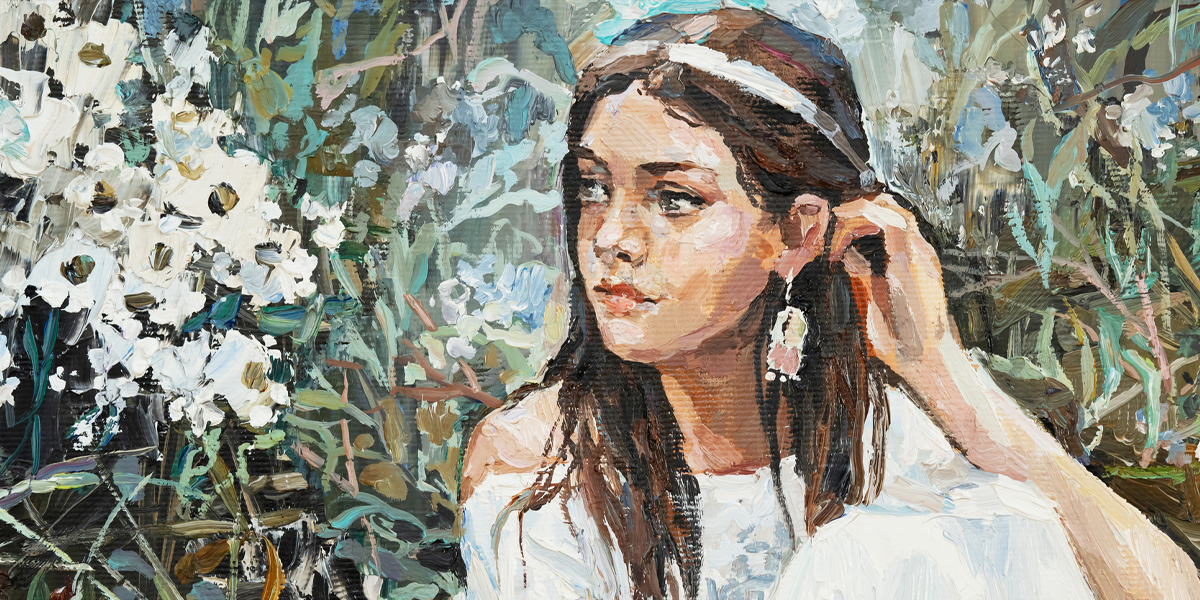
I don’t know how it happened. I don’t think that matters. One moment we were laughing, and the next moment the car had been twisted into a wreck of fiery metal.
For a minute, for a lifetime, I am suspended from my seat; her gasping body is next to me, awake but incapable of movement. The other car is silent, save for the hiss of the engines, and I can see the driver’s unconscious body through the shattered windscreen. My foggy mind wonders if he is dead, except now my mind can do nothing at all, and I am darkness.
I awake to a sterile room; doctors standing over me and an ambience of beeping machines. My attempts to rise are greeted with pairs of furrowed brows and accompanied by sharp pain. Voice raspy, I ask to see her, but the room stiffens and the beeping quickens, synchronised with my sinking heart. No. No.
When I leave the hospital, I am fine. Two broken ribs, my arm in a sling and my ears are ringing, and I am fine. The bus is full and she is squeezed next to me: her soft brunette hair, her blue painted nails, her favourite dress. The bus jostles and she turns to apologise, but they are not her eyes. The pain shoots through my chest because she is gone. Except she is not and I am fine. She is waiting at home and I am fine.
I.
Am.
Fine.
Every step during the walk from the bus stop sends stabs through my broken body, but I am numb to it all. Stopping at the corner store, I buy a bag of my favourite chips; my favourite because they are her favourite. I’ll hide them in the cupboard for us to discover later. I draw the key to our apartment from my pocket and unlock the door. I cook dinner; enough for two. I make the insurance claim. I go to sleep.
Hazy dreams admit what consciousness will not. I see her on the operating table, masked faces scrutinising her fragmented body, attempting to fix the unfixable. I stand immobile in the corner, unable to intervene in what I do not understand. I am dragged out of sleep, sweaty and shaking, eyes damp. There is a creak outside and I exhale in relief – only a nightmare; she is home now. But no one opens the door and I lie alone in darkness for a long while, waiting for a ghost.
The morning brings a headache derived from tears I do not remember shedding. Unable to think, I revert to routine. Dress, shower, eat, scroll through my phone, checking emails. I am confronted with countless condolence messages from family, from her family. There’s another message too, from someone I don’t know. It only has two words and a phone number:
I’m sorry.
And I know it is from him. From the other car’s driver. Tears once again flood my cheeks, but they are unlike earlier tears of sadness; they are boiling with anger. He killed her and he says sorry? Sorry does not compensate for this loss, this pain in my chest. This devastating emptiness once filled by her presence. Because she is gone. It is his fault.
I’m sorry.
I am alone. It is his fault. I sob until the world blurs. I close my eyes and wonder things that fill my heart with guilt:
What if it had been him instead?
Days…weeks pass, and this thought permeates every action. I continue to cook dinner for two; the leftovers stack up.
Would she still be here?
I go to sleep, wake up, go to sleep again, and dream of her and him and me.
Would we still be happy?
Me? I would be selfish enough to move on. She would not. She would regret everything, that she lived while he died. No, she would not be happy.
I’m sorry.
I know she would blame herself, and so I will not blame him. I cannot blame him. It is not his fault. It is no person’s fault, but that of chance’s cruel displeasure. She is dead and I cannot bring her back. She would not want to come back.
I make myself cook for only me now, but it takes an effort to throw out the spoiled food. Months of portions which she will never get to eat. My hands shake as I move containers to the bin. Tears well in my eyes as I look down at her untouched meals. The pain in my chest throbs and I drop the last container onto the floor, where it shatters and spills outward. I stand there for a moment, then open the cupboard and grab the mop. I slowly wipe away the mixture of food and tears on the ground, and clean the residue from the floorboards. Finally, I return the mop to the cupboard and turn to leave, but my eyes light on a fragment of vibrant yellow. It is a packet of chips: her favourite and mine too. I cannot remember how they got there, but they feel like a sacred discovery, like a final gift from her.
I carry them back through the apartment, past framed photos that depict us, happy and together. I sit on the couch, where she used to lie in my shoulder and hold my hand. Slowly, over the course of an hour, I sit and eat the chips, one by one; tears fall and mingle with salt.
She would always steal the best chips.
The thought escapes the cloud of befuddled darkness, and I start at the memory. I miss her so much it hurts, and I am laughing and crying because I love her and she loved me, and she is gone and I am still here. But I must continue to live, to love, for her, for her memory.